Estimating Fit-Out Costs Before You Sign
A line-by-line approach to budgeting shop fit-out for a second retail site — electrical, refrigeration, signage, and the costs agents forget to mention.
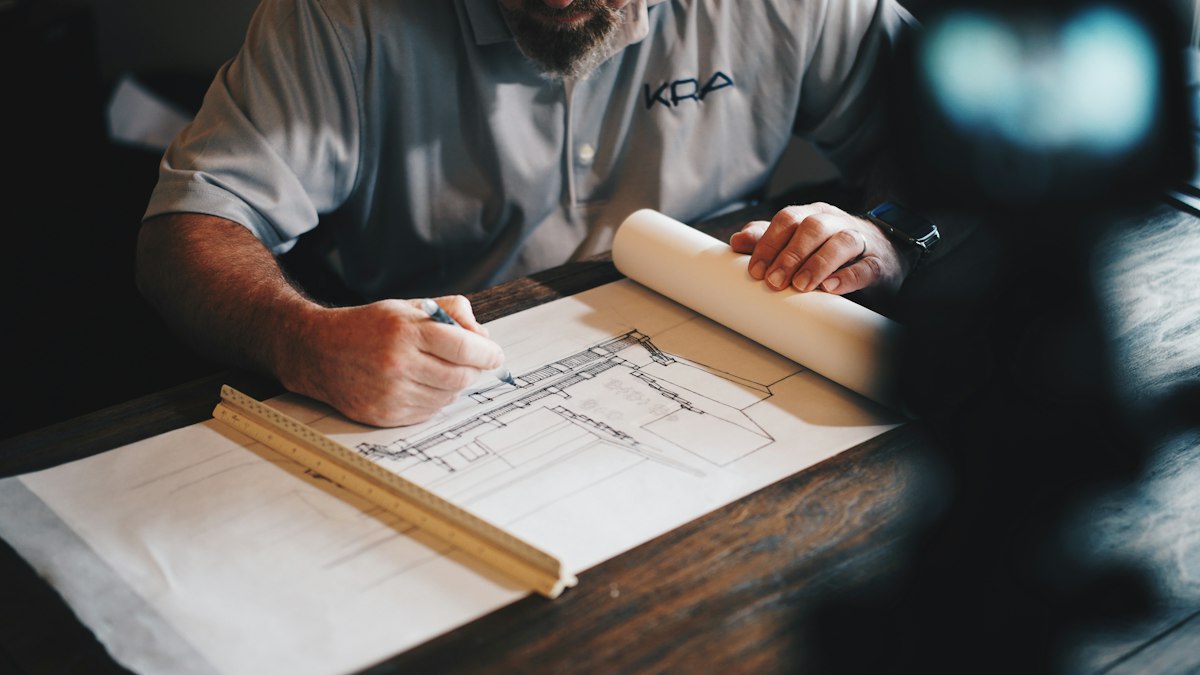
Fit-out quotes that arrive after you have signed a lease are one of the most common reasons second-shop projects run over budget. The lease commits you to a opening date; the builder discovers asbestos behind the rear wall.
Start with the condition schedule
Request the outgoing tenant’s condition report and walk the site with your builder before heads of terms. Note floor levelling, three-phase power availability, grease traps, sprinkler heads, and whether the landlord expects you to reinstate walls you remove.
Build a category-specific line list
Homewares stores need display shelving load ratings and feature lighting circuits. Food retailers need refrigeration drainage and hand-wash compliance. Bike shops need racking anchor points and workshop ventilation. Use your first shop’s fit-out invoice as a baseline, then adjust for square metres and local labour rates.
Add contingency by risk tier
We advise clients to hold 15% contingency on straightforward shell-and-core sites and 25% on older high-street premises where services are unknown. Heritage overlays can push this higher.
Include soft costs
Design fees, council permits, signage applications, POS cabling, and the first month’s stock buffer belong in the same spreadsheet as plaster and paint. Banks ask for this all-in number when reviewing overdraft extensions.
Timing matters
Builders book out eight to twelve weeks ahead in Melbourne’s spring season. If your lease starts in September, engage your fit-out contractor in June — not after the lease is signed in August.